In today’s fast-paced digital landscape, businesses need to adapt quickly to meet changing market demands. Serverless architecture offers a paradigm shift for developers, allowing them to focus solely on writing code without worrying about underlying infrastructure management. By offloading infrastructure management to cloud providers, developers can speed up deployment cycles, reduce operational overhead, and achieve faster time-to-market.
Furthermore, the serverless architecture enables teams to practice Agile development methodologies more efficiently. Its elastic nature allows for automatic scaling, ensuring that applications can handle unpredictable workloads. This flexibility empowers developers to accelerate the iterative cycles of Agile development, leading to faster feedback loops and more robust software.
In this article, we will dive deeper into the benefits of serverless architecture in DevOps and Agile development, exploring how it enables greater efficiency and flexibility. Join us as we discover how this innovative approach can revolutionize your software development process.
Serverless architecture is a cloud computing model that allows developers to build and run applications without managing the underlying infrastructure. With serverless architecture, developers can focus solely on writing code, while the cloud provider manages the underlying infrastructure, such as servers, operating systems, and network infrastructure.
One of the key benefits of serverless architecture is its ability to reduce costs. Because developers only pay for the resources they use, they can avoid the costs associated with maintaining a dedicated infrastructure. This also enables developers to scale their applications quickly and easily, without having to worry about provisioning resources.
Another benefit of serverless architecture is its ability to improve efficiency. Because developers can focus solely on writing code, they can accelerate the development process, leading to faster time-to-market. Additionally, the serverless architecture enables teams to practice Agile development methodologies more efficiently, thanks to its elastic nature and automatic scaling capabilities.
Many organizations have successfully implemented serverless architecture in their DevOps and Agile development processes. For example, Fender Musical Instruments Corporation, a manufacturer of guitars and other musical instruments, implemented serverless architecture to improve the efficiency of their e-commerce website (source).
By using serverless architecture, Fender was able to reduce the time it takes to bring new features to market from weeks to days. Additionally, Fender was able to reduce their infrastructure costs by 50%, thanks to the pay-per-use model of serverless architecture.
Another example of the successful implementation of serverless architecture is the case of Coca-Cola. Coca-Cola implemented serverless architecture to improve the efficiency of its supply chain management system.
Serverless architecture is made up of several key components. These include:
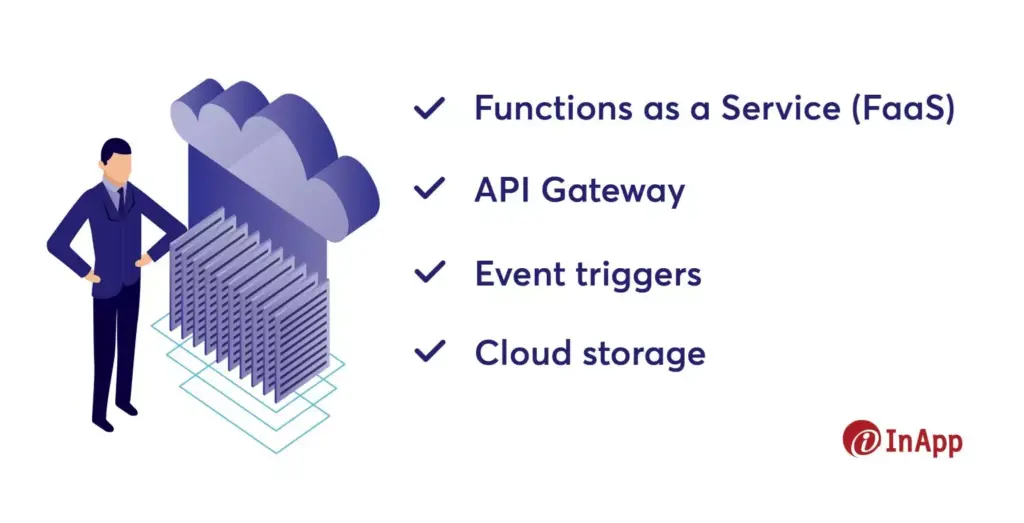
While serverless architecture offers many benefits, there are also several challenges and considerations that need to be taken into account when adopting it in a DevOps and Agile development environment.
Some of these challenges include:
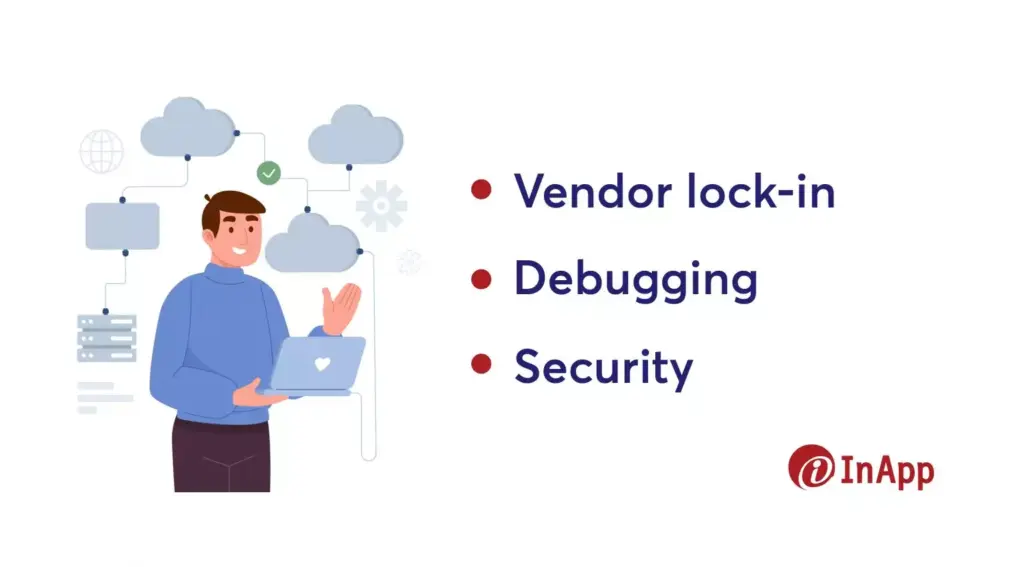
To address these challenges, organizations should carefully evaluate their options before adopting serverless architecture. They should also consider working with experienced cloud providers and implementing strong security measures.
To ensure a successful implementation of serverless architecture in DevOps and Agile development, organizations should follow several best practices. These include:

There are several tools and technologies that can be used for serverless architecture in DevOps and Agile development. These include:
– AWS Lambda: A serverless computing platform provided by Amazon Web Services (AWS).
– Google Cloud Functions: A serverless computing platform provided by Google Cloud.
– Azure Functions: A serverless computing platform provided by Microsoft Azure.
– Serverless Framework: An open-source framework for building serverless applications.
Serverless architecture improves efficiency and flexibility in DevOps and Agile development in several ways. First, it allows developers to focus solely on writing code, without worrying about underlying infrastructure. This leads to faster development cycles and faster time-to-market.
Second, the serverless architecture enables automatic scaling, ensuring applications can handle unpredictable workloads. This flexibility empowers developers to accelerate the iterative cycles of Agile development, leading to faster feedback loops and more robust software.
Finally, serverless architecture reduces costs by enabling developers to pay only for the resources they use. This eliminates the need for dedicated infrastructure, reducing operational overhead and enabling organizations to scale quickly and easily.
To transition to serverless architecture in DevOps and Agile development, organizations should follow several steps. These include:
– Evaluate your current infrastructure: Determine which applications are good candidates for serverless architecture and which ones may require dedicated infrastructure.
– Choose a cloud provider: Choose a cloud provider that meets your specific needs and requirements.
– Train your team: Train your team on the tools and technologies used for serverless architecture.
– Start small: Begin by implementing a serverless architecture for small, low-risk projects before scaling up.
Serverless architecture offers many benefits for DevOps and Agile development, including increased efficiency, flexibility, and cost savings. While there are some challenges and considerations that need to be taken into account, organizations can overcome these by following best practices and working with experienced cloud providers.
Looking to the future, serverless architecture is expected to continue to grow in popularity as more organizations recognize its benefits. As cloud providers continue to innovate and improve their offerings, we can expect to see even more advanced serverless architectures in the years to come.