Cryptocurrency has changed the way we think about money and transactions. Now, its influence is reaching beyond finance and starting to affect real estate as well.
Blockchain is changing how real estate works. It makes property transactions easier by reducing the need for middlemen and increasing transparency, security, and accessibility.
5 ways the real estate industry is using blockchain to streamline and secure transactions.
Blockchain helps make real estate transactions faster and simpler. Smart contracts are digital agreements that run on the blockchain and automatically execute when specific conditions are met. This reduces delays and paperwork, so property transfers happen more quickly.
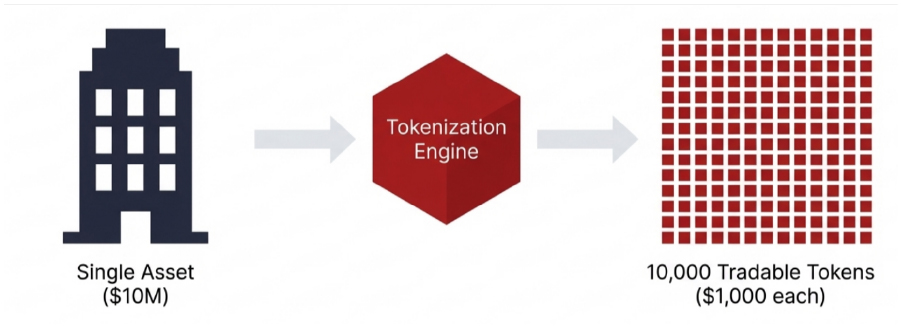
Blockchain enables fractional ownership through tokenization, allowing properties to be divided into smaller tradable units. This opens up real estate investment opportunities to a wider pool of individuals and aspiring investors.
Transparency is a cornerstone of blockchain technology. Every transaction recorded on the blockchain is immutable and transparent, creating an auditable trail of ownership and transaction history. This reduces the risk of fraudulent activities and allows buyers to verify property records more easily.
Blockchain enables real estate transactions across borders. Through tokenization, investors can diversify their portfolios by investing in properties in different countries without traditional logistical challenges.
Blockchain’s cryptographic algorithms ensure that data stored on the ledger is secure and tamper-resistant. Smart contracts execute transactions automatically based on predefined conditions, reducing the risk of human error and fraud.
To use blockchain in real estate, start by setting up the right data and systems. After that, companies can automate tasks, follow rules, and expand use by testing and integrating blockchain into their work.
Steps involved in implementing blockchain in real estate are as follows:
Some use cases include:
Asset Management
Blockchain helps manage real estate assets by maintaining a clear, immutable record of every transaction. Whether it’s tokenizing a property or transferring ownership, all actions are securely recorded and visible to everyone involved.
With real-time tracking of who owns what and when transactions happen, everyone can see what’s going on at each stage. This makes it easier to trust the process, avoid disagreements, and make decisions quickly. Cutting out middlemen also helps things run more smoothly and saves money on paperwork.
Project Financing & Loan Registries
Blockchain makes it easier to manage project financing and loan records in real estate. Smart contracts can handle the entire loan process automatically, from start to finish, reducing paperwork and manual effort. Developers can also raise money by offering tokenized shares of their projects, which can be bought and sold on blockchain platforms. This makes it easier to trade and invest.
Property Registries
Traditional property registries can be messy and sometimes have mistakes or even fraud. Blockchain provides a secure, immutable way to record who owns what and the history of each property. Every property gets a unique digital profile that includes ownership details, any debts or claims, and past transactions. This transparent, tamper-proof registry reduces disputes, simplifies due diligence, and builds trust in real estate transactions.
Investor & Tenant Identification
Blockchain can make it easier and safer to verify the identities of investors and tenants in real estate. Digital IDs stored on the blockchain provide a secure way to verify people’s identities, helping prevent fraud and making it easier to comply with KYC and AML rules.
Crowdfunding & Real Estate Investment Trusts (REITs)
With blockchain, crowdfunding platforms, and REITs, more people can invest in small pieces of real estate. Investors can buy digital tokens that represent ownership shares, which can be traded easily on blockchain platforms. This makes investing more flexible and reduces paperwork and additional fees.
As blockchain technology grows, it’s likely to be used even more in real estate, making the industry more efficient.
Blockchain enhances transparency, efficiency, and accessibility in real estate processes. While challenges remain, its potential to improve operations and expand investment opportunities is significant. Therefore, real estate professionals must recognize its value and explore how it can support future growth.
Have questions or consider implementing blockchain in your real estate projects? Reach out to us for expert guidance and support.

Yes, blockchain uses cryptographic technology to store data securely. This makes it tamper-resistant and reduces the risk of fraud.
Blockchain enables direct transactions between buyers and sellers through smart contracts, which automatically execute agreements. This reduces the need for intermediaries, such as speeding up transactions and lowering costs.
Tokenization converts property assets into digital units that can be bought and sold. This allows investors to access high-value properties with smaller investments, improves liquidity, and enables easier portfolio diversification.
Blockchain creates an immutable and auditable record of all transactions and ownership history. This makes it easier to verify property details, reduces disputes, and minimizes the risk of fraud.