
Announcement of Partnership with DesignRush
InApp has partnered with DesignRush, a reliable online platform that helps businesses in finding the best professional companies and agencies categorized according to vertical and area of expertise. DesignRush has thousands of agencies across all specialties from web design to marketing. The company connects brands with the right agencies and helps them find the best solutions for their needs. Through its listing, brands can search partners based on clients, reviews, portfolios, pricing structure, and testimonials. InApp delivers full-scale software solutions and services to industries in all fields from startups, SMBs to Fortune 500 companies. The company offers an integrated portfolio of software engineering services and solutions which include mobile app development, website development, mobility solutions, programming services, UI design, games & infotainment, independent software testing, cloud computing, DevOps, AR/VR, Artificial Intelligence & Machine Learning, and Blockchain Solutions. InApp has been successfully taking up challenges of providing cutting-edge technology solutions in diversified verticals such as Construction, Manufacturing, and Independent Software Development companies. It testifies to the company’s strict adherence to timely delivery, highest quality, processes, and procedures that some of its clients have been with it for two decades. A certified Gold Microsoft Partner, InApp has offices in the USA, India & Japan.
6 Reasons to go for Independent Software Testing
For software to work properly, it’s necessary to test it before releasing it to customers rigorously. One flaw can lead to the loss of customers, markets, and, in some cases, even lives. The mindset required for testing software is different than developing it. Development teams work to make a product, whereas testing teams see how they can make it fail now—so it doesn’t fail with users later. That’s why an independent software testing team should test your software products. InApp specializes in independent software testing, with vast experience in all functional testing, security testing, performance testing, load testing, API testing, and domain-specialized testing. Here are six reasons why independent software testing is better than in-house testing. Reduction in Cost Independent software testing organizations strongly adhere to rigorous testing cycles, standards, and requirements. As software testing is their specialization, failure rates are very low (essentially nonexistent). With expertise in all kinds of testing, both functional and non-functional, they maintain a strong focus on putting the software through its paces at all levels. Additionally, thorough testing can lead to a reduction in maintenance costs. Experienced and Skilled Workforce Independent software testing organizations have strong recruitment systems. They hire talented and experienced teams for various testing tools and methodologies such as integration testing, acceptance testing, automation testing, manual testing, performance testing, etc. With large teams of well-qualified testers and project managers, they can help you deliver the best product. Better Quality of Software Software development teams have a natural bias towards their own product, so they aren’t the best people to test their own software. Independent software testing teams can work with software from the perspective of the user. They test the product using all standards and requirements, helping their customers deliver a quality product. Faster Time to Market Independent software testing companies can detect defects at the very early stages of testing cycles. This ensures two things: 1) the product is delivered on schedule, and 2) it’s delivered at a reduced cost. Their experienced staff also can provide optimized management of the software management life cycle and other emerging dynamic requirements. Flexibility Flexibility in time and tools is a great asset in testing organizations. You can use software testing in the project life cycle to suit the pace of development. Your project can move between manual and automation testing per your requirements. Independent software testing companies have talented and experienced staff for all kinds of testing. They offer you the option to choose and then change midway. That’s not possible with an in-house testing team, where it’s very costly to hire experts in the full breadth of testing requirements. Convenience If you have an in-house team, you may face a situation where your tester is sick or leaves in the middle of your project. In this case, your project may come to a standstill or be delayed indefinitely. However, you won’t face these problems with an independent software testing organization. They employ multiple experts and always consider employee attrition rates, helping you deliver your product on time. Conclusion Flawless delivery of your software is vital for its business value. That’s why independent software testing services are so important. It’s essential to get your software tested by experts who can work separately from the product developers. InApp has two decades of experience in independent software testing. We deliver quality products to our clients in the USA and elsewhere. If you have any questions, please contact us. Frequently Asked Questions What is independent software testing? Independent software testing is evaluating a software product development by a team other than the one involved in its development. It avoids author bias and improves the early detection of defects. What is independent testing in Agile projects? Agile delivery teams use cross-function to perform a majority of testing themselves. However, this approach is not sufficient for some projects, particularly in regulatory environments or teams spread out over a large geographic area. In such situations, independent software testing is far more advantageous. What is autonomous software testing? Autonomous software testing is the ability to generate tests without user intervention independently. By using Artificial Intelligence and machine learning, autonomous software testing makes the process very fast.
Flutter vs React Native: Which One is Better for Mobile App Development?
React Native and Flutter are the two most popular cross-platform development frameworks for mobile app development. Which one suits your requirements? Learn more about the benefits of each one.
Most Important Milestones in the History of Artificial Intelligence (AI Infographics)

In 1956 John McCarthy coined the term ‘Artificial Intelligence’ when he conducted an academic conference in this field. However, long before that people have been trying to understand whether machines could work and think like human beings. Let’s learn the history of the development of ideas in Artificial Intelligence through this infographic.
What are the Top 5 Cross Platform Mobile App Development Frameworks
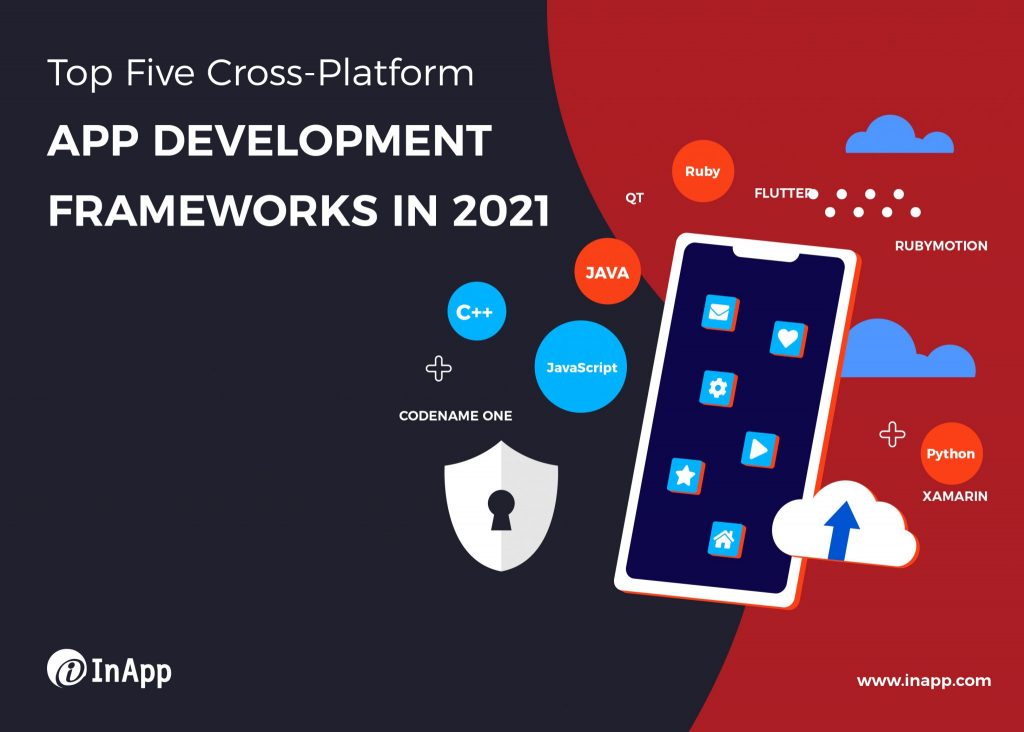
There are many cross-platform mobile app development frameworks in the market. Only the right technology and framework can fuel the growth of your business. Let’s learn about the top five cross-development frameworks.
7 Major Misconceptions about Offshore Custom Software Development
Many businesses are leveraging outsourcing for their custom software development. But why are some companies still hesitant? Here are some common misconceptions associated with outsourcing.
What Are the Benefits of Custom Software Development Over Off-the-Shelf Software?
Why do businesses prefer custom software development to off-the-shelf software? Learn the benefits of custom software development over off-the-shelf software.
9 Tips to Make Your Custom Software Development Project Successful
Hiccups!
They do happen in the software development process, but some good practices can help you make your custom software development successful. Here are nine tips that could help you out.
Here are 4 ways Custom Software Development can Help you Save Money

Are you confused between going for off-the-shelf software and custom software?
Yes? Then read this blog where we have tried to list 4 of the major ways in which you will be saving money in the long term through custom software development
Everything about Artificial Intelligence as a Service (AIaaS)
Artificial Intelligence is making businesses improve their products and customer experience based on predictive analytics tools. However, it’s a long and complex process. Not all organizations can venture into building the AI process in-house, requiring a huge investment. Here comes Artificial Intelligence as a Service (AIaaS)! AIaaS let you use AI functionalities without developing in-house expertise. InApp’s concise and two-minute read infographic introduces AIaaS.